
“Cuba, See”
A piece I published in the Village Voice in 1985, newly relevant as the US government tries to destroy Cuban society and replace its leader

Havana surprised me. I was unprepared for a quiet and often friendly city where I could travel without a guide and visit people in their homes, a city where blacks and whites mix with apparent ease, where driving along the sea at night one sees not police but romantic couples standing every few yards embracing, and where discontent does not seem to be just below the surface, furiously bubbling. I went to Cuba last November to attend the “Third Colloquium on Latin American Photography” (the first two were in Mexico City, the next will be in Brazil), a major conference with lectures, exhibitions, and workshops that attracted hundreds of delegates from Latin America and some from Europe and the United States. There was also a surprise appearance by Fidel Castro, who spoke about a few of photography’s strengths and pitfalls as well as a number of other subjects including baseball, video cassettes, and health care, spontaneously and at length.
I had to rethink the questions I came with, and rather than smugly ask the Cuban photographers about their freedom to depict their society negatively, I needed to find out why we have been so limited in our positive appreciation. I had come to Havana informed by the media’s description of Cuba as a Soviet clone, an international troublemaker and monolithic police state distinguished by its jails and citizens wanting to leave. I found it a relaxing, pleasant, and lively place to be—sentiments which surely do not finally prove the ultimate worth of Cuban society, or dispel any possibility that the sinister exists.
But my impressions did make me feel angry and betrayed by a free press that has so thoroughly left out the pleasant, successful aspects of Cuban society, whether because it chooses to view Cuba through the filter of national strategic interests, assigning it the status and aura of the enemy, or because the economic blockade makes the country better left unexplored (there are no potential tourists or advertisers). Whatever the reason, moral superiority concerning freedom of expression is difficult to maintain when we cannot show a reality that is palpably vivid but belongs to our ideological enemy. The only photographs by a non-Cuban that prepared me for day-to-day Havana, and which remain largely unpublished in the United States, are by Gianfranco Gorgoni, a New York-based Italian who has photographed Cuba in color as he might photograph Rome-to give a sense of what the place looks like and feels like without placing every street and restaurant on an international political stage.
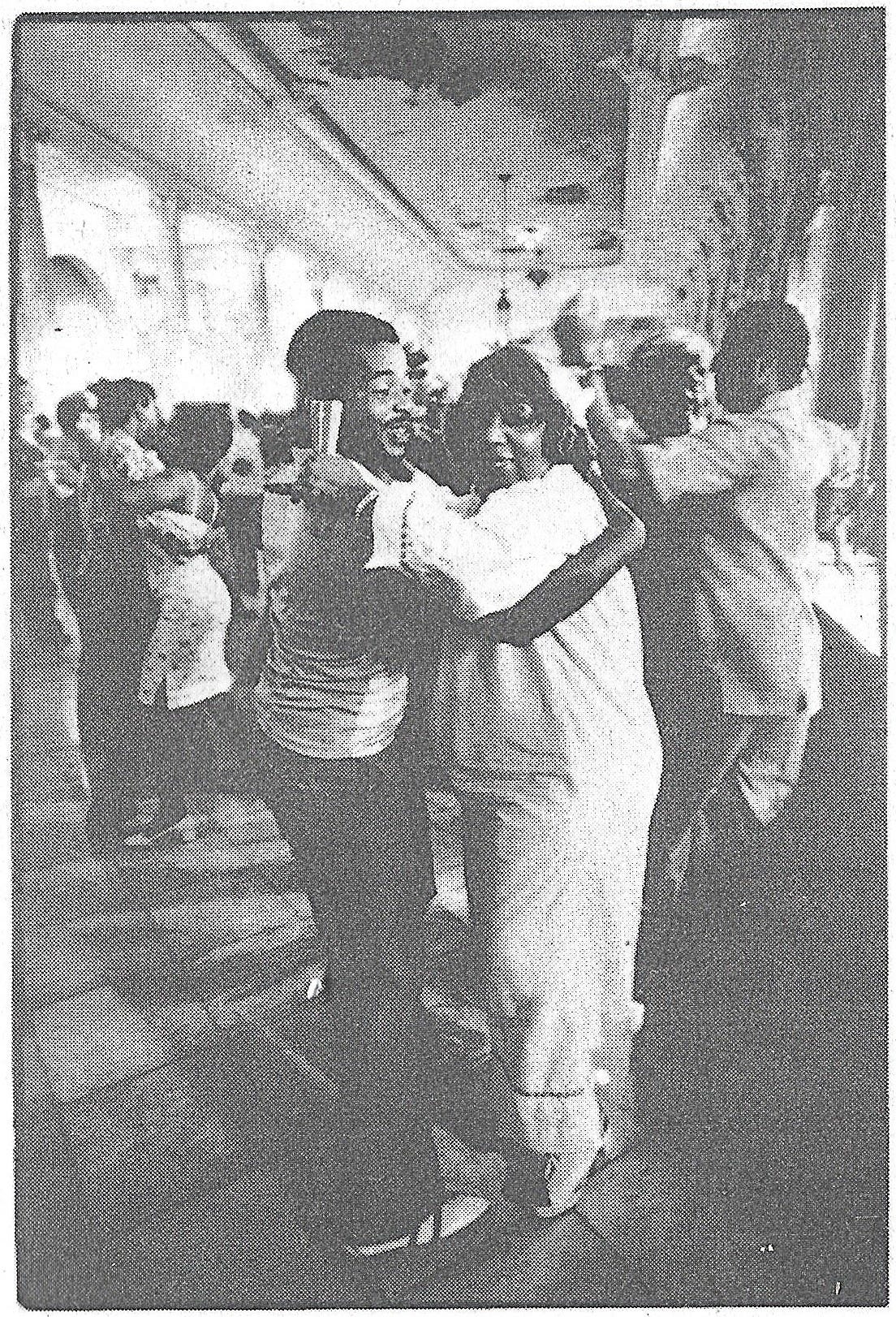
It is this other reality, the internal one mostly unknown to us, that is elaborated in many of the photographs Cubans make of their country. Their personal vision is people-oriented, producing empathetic, affectionate photographs of likeable, dignified, vital adults and children. The 124 photographs currently on display in an exhibition entitled “Cuba: A View from Inside” (Ledel Gallery, 168 Mercer Street, through February 24), made possible by a grant from the New York Council for the Humanities and coordinated by Sandra Levinson of New York’s Center for Cuban Studies with the assistance of Eva Cockroft, Max Kozloff, Mel Rosenthal, and the Cuban photographers Maria Eugenia Haya (Marucha) and Mario Garcia Joya (Mayito), are intended to give some of the Cuban view of their own history. Including the work of 20 photographers (as well as videotaped interviews with them and with other cultural figures, mostly in Spanish but some in English), the show presents images that are generally articulate and powerful demonstrations both of a changing society and an evolving photographic vision.
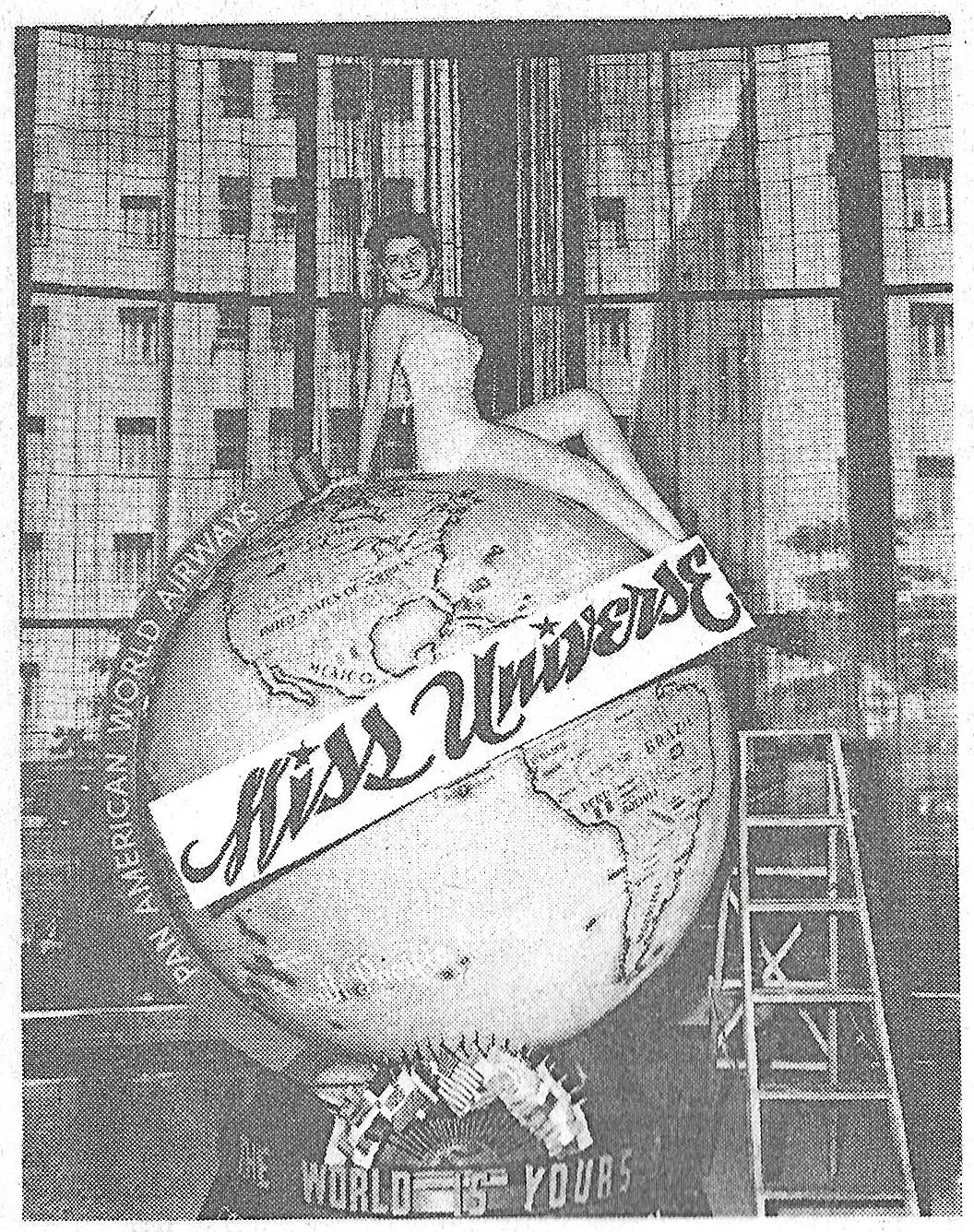
The style of imagery produced in the 1940s and 1950s will probably be familiar to viewers here. But some of this work will surprise because it is so well done, particularly the mocking flash photos by Constantino Arias of the performers and revelers who participated in Havana’s high life: one of a 1945 Esso banquet, with the company logo emerging like a garish cornucopia above the diners’ heads, and another, a discordant photograph of a smiling, statuesque, blonde woman who reclines, a hand behind her head, gazing nude into a mirror (she is said by the photographer to have been “the mistress of a big Louisiana politician”). By contrast, Arias’s and Jose Tabio Palma’s prerevolutionary photographs of workers, the poverty-stricken on the streets, and those evicted from their houses by the United Fruit Company are also included.
Then the exhibition takes us through images of the Cuban revolution, the Bay of Pigs, and the 1962 missile crisis, and to newspaper images by Mario Ferrer of those protesting the recent exodus from Cuba which began with the occupation of the Peruvian embassy (these are the only pictures of angry people in the show). It is possible to see some of the impact these historical moments had on Cubans, and to view events and people that remain important to them; at least two of the photographs in the exhibition also appear on Cuban currency.
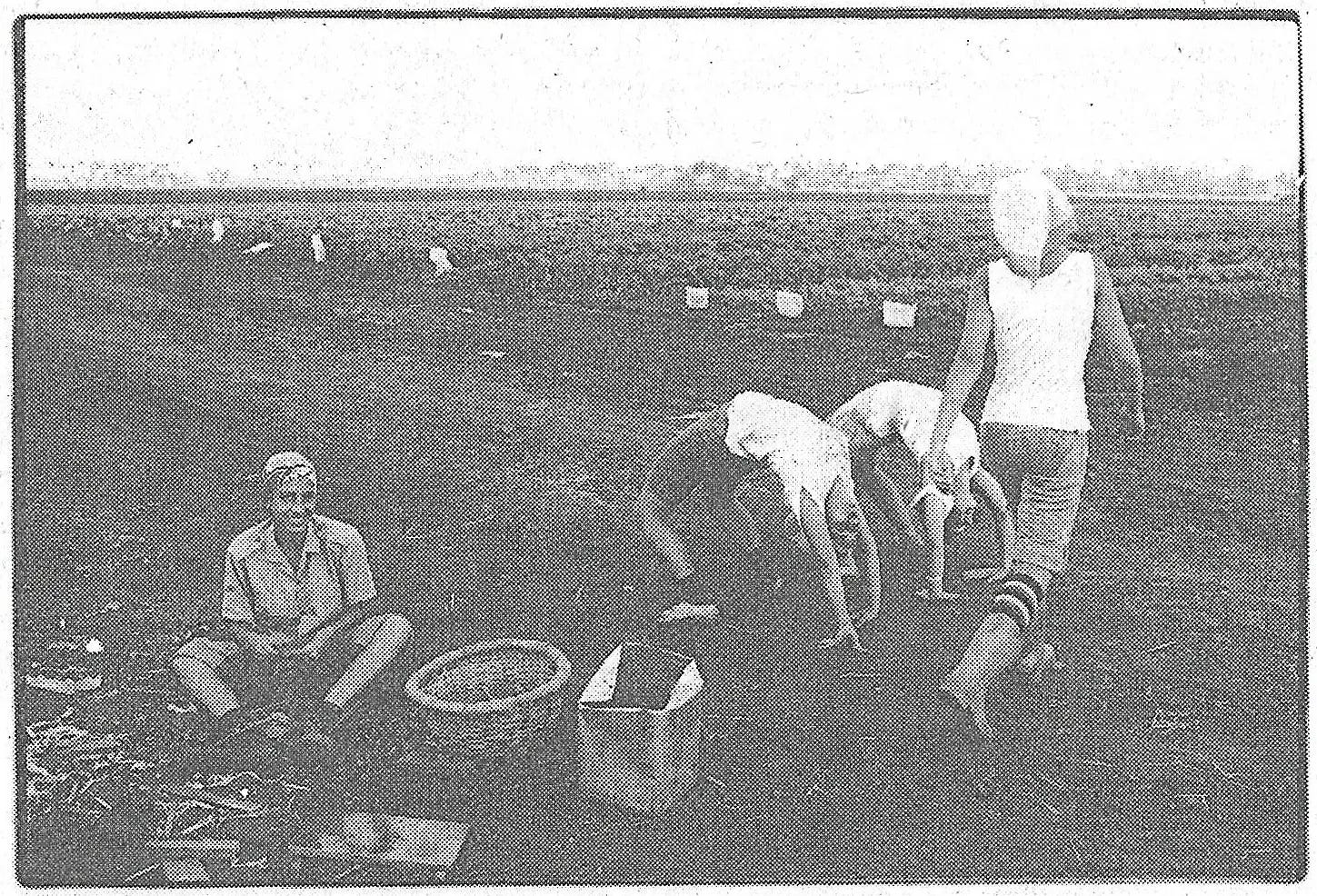
But it is the contemporary, often wide-angle photographs of everyday life, taken by Cuban photographers as part of self-assigned personal projects, that are the most revealing—Raúl Corrales’s relaxed image of student workers in the fields, with two of the most flexible supporting themselves in tandem, belly-up, on their hands and feet; Mayito’s sympathetic, somewhat bemused look at manifestations of “kitsch” in a small town; Rigoberto Romero’s gentle and slightly incongruous image from his series “The Courtyard of My House Isn’t Private,” of a man seriously involved in having his haircut while a woman is occupied at a sewing machine nearby; and a photograph by Marucha (one of only two woman photographers in the exhibition) of a girl by the water dressed in a long ruffled gown for her “sweet 15” (like our sweet 16), surrounded by more mundane-looking people in shorts: an image I thought of as sweetly romantic but actually part of a series intended as criticism of the “sweet 15” ritual. Without really understanding another culture, it’s at times difficult to comprehend the messages contained within a photograph, including its critical intent; evaluation of photography from another culture can become a tense exercise. There are also portraits of veterans of the 1895 Cuban War of Independence, of champion sugar-cane cutters, depictions of the Cuban flag and images of important leaders as they appear in the environment, and photographs from a series by Jose Alberto Figueroa called simply “Mister, take my picture.”
This exhibition, which is intended primarily as an overview of 40 years of Cuban history and not of photographic practice, doesn’t allow for enough contemporary images to show more than a few pictures from individual essays.
Some of the fullness and range of recent Cuban photography, and undoubtedly of Cuban life, is consequently missed (a 1983 show at Westbeth concentrated more on current imagery). Many contemporary photographs also tend to be over-shadowed, as happens with images of a documentary nature, by the energy and importance of the personalities and events depicted that precede them.
The current Cuban personal work, with its mostly accepting view of society, is quite different from recent social photography that has tended to adopt an aggressively critical outside-observer’s stance. Our tradition favors the caustic Diane Arbus or Garry Winogrand approaches, for example, or the highly sympathetic profiling of people victimized by society. It is difficult at first to accept the friendlier, more embracing Cuban attitude, in which any reproach is delivered gently. This resistance is based on our usual expectation of the photographer’s proper remove from society, our sense of society’s inevitable contradiations, and our negative feelings about Cuba. But the Cuban photographers, as far as I can understand, seem truly to like their society, to want to protect it from an often hostile outside world-and, as one photographer explained, major criticisms are more effectively voiced and acted upon than represented in photographs. I was also told that if Cubans of any sort, including photographers, intensely disliked the structure and goals of their society, they have probably left it by now.
One of the major themes at the conference was the importance of establishing one’s own cultural identity, making photographs that reflect Latin America from a resident’s point of view without, as one speaker put it, confirming the worth of the images in New York or Paris. Other than the work of the Mexican photographer Manuel Alvarez Bravo, little Latin-American photography has been shown here. From evidence presented at this colloquium and at others, it is clear that photographers from Latin America, like the Cubans, challenge traditional thinking both about their countries and about photography as a universal language. The photographic vision of those who live in Latin America is often characterized by a quiet, meditative; at times somber way of looking, with images gently framed, incorporating newer social tensions, and timeless in a way that can appear, at least to us, to verge on fantasy. It makes for an approach that here might be considered too static and lacking in technical flair, but the real difficulty seems to be that Latin-American photographs are visualized within a context that so far we have not tried hard to understand.